Why restaurant pest prevention counts in Brampton
For Brampton restaurants, pest control is not just a behind-the-scenes issue; it is a central part of safe food handling, brand reputation protection, and daily operations. A strong pest control Brampton plan helps lower the chance of an outbreak, keeps safe customers and staff, and supports a smoother restaurant inspection outcome. In a busy commercial kitchen, even a small lapse in sanitation or inventory control can create the conditions pests need to persist.
Regional conditions matters. Brampton sits in Peel Region, where Peel Public Health restaurant inspections and broader compliance expectations mean operators need ongoing controls, not just last-minute fixes. Dense commercial corridors, constant deliveries, and frequent food receiving in areas across the city can increase pest pressure. That is especially true when waste pickup is delayed or loading areas stay open too long.
Seasonal changes also plays a role in southern Ontario. Spring thaw and summer heat can increase rodent and insect activity, which means food safety plans must prepare for higher risk periods. A restaurant that treats pest prevention as part of regular operations is far better positioned for risk reduction than one that waits for a visible problem.
In practice, the best results come from combining cleaning routines, structural repairs, monitoring, and integrated pest management. That approach is more reliable than relying only on sprays or reactive treatments. It also helps create excluded access for pests by removing food, water, and shelter.
What pests are most common in Brampton food service operations?
The main issues in Brampton food service businesses usually involve rodents and insects that crawl, with flying pests also turning up around waste and loading areas. If you need mice control Brampton support, it is often because the property already has open entry points, leftover food, or hidden shelter areas that have gone unnoticed.
Cockroaches are another major concern, especially in warm, moist locations such as wash stations, mop sinks, floor drains, and equipment voids. They can hide in cracks and travel rapidly through shared utility spaces. Effective cockroach control depends on hygiene, closing openings, and targeted monitoring rather than guesswork.
Flies often point to trash concerns, drain buildup, or uncovered food. In restaurants that handle fresh ingredients, produce, meat, or high-volume takeout, even brief exposure can invite flies. Flies are also a strong indicator that waste containment and kitchen hygiene need review.
Rodents remain a top concern in many food businesses because they travel next to walls, behind appliances, and through service voids. Evidence such as rodent droppings, gnaw marks, grease trails, and nest material should be treated as an important sign. With rodents, the earlier you act, the less the expense and disruption.
How do pests enter a restaurant kitchen?
Pests usually find their way in through a few predictable access points. The most common are obvious and hidden entry points around doorways, vents, service openings, and loading areas. Even a tight opening can allow mice the space to enter, while cockroaches can move through far smaller gaps.
Loading docks are especially important in Brampton because many restaurants receive ongoing deliveries through shared or high-traffic receiving areas. Doors kept open, damaged thresholds, and clutter near incoming shipments can all create an direct pathway for pests. If food deliveries sit too long before being checked in, the risk increases.
Plumbing gaps around pipes, floor drains, and wall penetrations are another common problem. These spaces often lead from one area to another and can create hidden routes for insects and rodents. In older buildings, gaps may also exist behind sinks, dishwashers, and refrigeration lines.
Other vulnerable areas include exhaust penetrations, utility chases, and spaces behind shelving. The goal is not only to close obvious holes, but also to reduce hidden travel routes and potential harborage areas. Good preventive maintenance means checking these spaces routinely and repairing damage before pests exploit it.
What everyday hygiene habits reduce rodent risk?
Regular sanitation is one of the useful methods in bug management. In food service, pests are attracted to leftover food, stagnant water, and hiding spots. A careful sanitation protocol removes those attractants before they become a problem.
Lead off with a strong closing routine. Wipe down prep surfaces, clear and mop floors, and eliminate crumbs from under equipment and along baseboards. Watch for spills near fryers, dish areas, and drink stations, where residue can collect quickly. A consistent cleaning schedule is part of proper kitchen hygiene.
Waste management also counts. Trash bins should be emptied often, kept covered, and cleaned as needed. Dumpster pads and outdoor waste areas should be managed so that garbage does not overflow or sit uncovered. This is where waste containment becomes essential, especially during busy service periods.
Mosquito Man Brampton16 Rutherford Rd S Unit 203, Brampton, ON L6W 3J1, Canada
https://mosquitoman.ca/
+16472437241
P726+M5 Brampton, Ontario, Canada
https://maps.app.goo.gl/yYb1hcQZ8RbdgabW8
Grease is another major attractant. Grease buildup around cooklines, hood edges, drains, and floor surfaces can bring in pests and make cleaning harder over time. Make grease traps part of your sanitation checklist, and ensure they are maintained on a schedule that matches your volume.
It also helps to train staff on what to do when they see a spill, a damaged bag of food, or a sign of pest activity. Prompt cleanup is not just tidy; it is direct risk reduction. The fewer food sources and hiding places available, the less likely an infestation will take hold.
How should ingredient storage be set up to keep pests out?
Food storage is a important protective measure in any commercial pest control plan. Proper food-grade storage stores ingredients protected, well arranged, and easier to inspect. It also makes your kitchen less attractive to pests by taking away easy access to food.
Select airtight containers for dry ingredients such as flour, rice, sugar, cereal, pasta, and bulk supplies. Bags and cardboard boxes are more likely for rodents and insects to penetrate, and they are more difficult to keep clean. Containers should be strong, labelled, and stored off the floor where possible.
Organize dry goods storage so that new stock does not sit behind older stock for long periods. The FIFO inventory method, or first in, first out, supports reduce forgotten product and waste. It also makes it easier to notice damaged packaging, spoilage, or evidence of pests.
Leave aisles clear and avoid stacking items directly against walls. That allows for air circulation, inspection, and cleaning behind shelves. It also helps staff spot signs such as droppings, shredded packaging, or nesting materials more quickly.
Whenever possible, move ingredients into sealed storage as soon as they arrive. Do not leave deliveries on the floor or in open staging areas. In a busy Brampton restaurant, especially one with frequent delivery traffic, fast put-away reduces exposure and supports stronger prevention.
What checklist for inspection ought to restaurant staff apply?
A hands-on checklist for inspection enables staff detect problems before they become expensive. It should be part of the daily workflow, not something used only after a complaint or failed visit. The checklist should cover the front of house, kitchen, storage, receiving areas, and outside perimeter.
Staff should look for droppings, gnaw marks, grease trails, dead insects, damaged packaging, and signs of nesting. They should also inspect under sinks, behind small appliances, around drains, and near utility lines. Any sign of moisture, standing water, or unusual odours should be documented because these conditions often draw in pests.
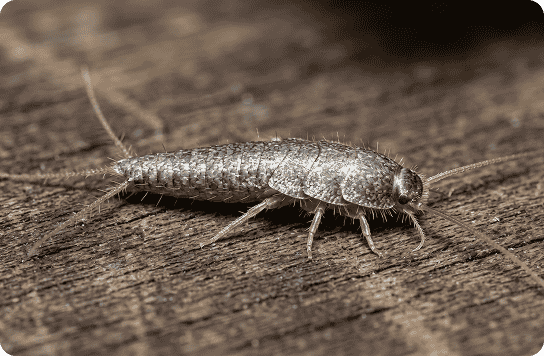
Monitoring traps or other inspection stations should be checked on a schedule and logged carefully. The point is not only to catch pests, but also to understand https://toronto-onlg079.talesignal.com/posts/how-to-get-rid-of-silverfish-in-brampton patterns. If activity appears near a drain, receiving door, or waste area, that information directs corrective action.
Use a simple reporting process so staff know what to do when they see an issue. A good checklist should record the date, location, observation, and response taken. That record helps during a health inspection and supports better decision-making over time.
For restaurants in Brampton, the best approach is to make the inspection checklist part of shift opening and closing routines. That keeps the process uniform and helps managers recognize trends before they become visible to guests or inspectors.
When should a Brampton restaurant call a professional?
Some situations can be handled on-site, but a professional should be called when activity is persistent, far-reaching, or tied to structural problems. If you are seeing ongoing rodents, active cockroach signs, or unexplained fly pressure, it is time to call a specialist. The faster you do, the less likely the issue becomes a full infestation.
For many operators, the decision comes down to whether they need temporary treatment or a long-term strategy. Reputable providers such as Orkin Brampton and Abell Pest Control Brampton can help with inspections, treatment, and ongoing prevention. A strong provider should use integrated pest management rather than relying only on spray treatments.
That means looking at the building, sanitation, exclusion work, monitoring, and follow-up. It also means a plan that fits the realities of a busy commercial kitchen. If the problem is structural or operational, treatment alone will not solve it. A professional can identify hidden travel routes, advise on entry points, and support long-term rodent prevention.
Specialist assistance is also important if the issue could affect licensing, staff safety, or customer confidence. For Brampton restaurants that need fast turnaround, a clear service plan can be a better investment than constant emergency callouts.
How do the pest control prices and service plans work?
When comparing pest control Brampton prices and pest control Brampton cost, it can help to think in terms of extent rather than a one number. Commercial rates often depend on the size of the restaurant, the type of pest, the severity of the issue, the frequency of visits, and whether exclusion or repairs are included.
A once-only appointment may be priced less upfront, but restaurants often benefit more from a regular service agreement. Routine care allows for monitoring, follow-up, and documentation that ensures compliance. It can also reduce the chance of expensive disruptions later.
Some packages are focused on site inspection and monitoring, while others include service, exclusion recommendations, and prevention upkeep. If you are evaluating quotes, check what is covered, how often visits occur, and whether the provider includes urgent response. It matters in Brampton, where high-traffic service corridors and receiving schedules can make pest problems worsen fast.
It is prudent to ask whether the provider supplies reporting tailored to restaurant operations. Records can help with internal audits and inspections. A good service plan should promote prevention, not just reaction.
What should you check in a pest control company?
Choosing the best pest control Brampton option means looking beyond a website promise or a initial low price. The best provider should be familiar with the hospitality industry, local pressures, and how to schedule around operating hours without disrupting guests or staff.
Evaluate the company’s experience with foodservice businesses, professional kitchens, and regulatory reporting. Confirm whether they use integrated pest control, how they document results, and how they manage follow-up. Also verify that they know the specific needs of a food business, including hygiene, storage, and entry prevention.
Internet feedback can be useful, but it should be reviewed carefully. Look at Abell Pest Control reviews for patterns in response time, courtesy, and steadiness. Assess those observations with the reputation of Orkin Canada and the local service footprint they bring to your area.
Location and service area matter too. When evaluating providers, some operators also look at Abell Pest Control locations to see where coverage is most reliable. In some situations, nearby market support can matter almost as much as brand name.
Many businesses also compare Abell Pest Control prices with service scope, not just the quote amount. It is also usual to check broader online sources, including pest control Brampton Kijiji listings, but those should be vetted carefully. An ad is not the same thing as a qualified commercial pest partner.
For reach-out and escalation needs, some managers prefer to save an internal contact like the Orkin Canada email so they can reach the right team promptly. If you operate more than one site, such as locations in Brampton, Mississauga, or Toronto, ask whether the provider can coordinate across markets. Some businesses even compare Abell Pest Control Windsor or Abell Pest Control Collingwood when evaluating broader service reach and standards, especially if they run multiple properties across Ontario.
How does Brampton compliance and local context affect prevention?
Brampton operates within Peel Region, so restaurant owners need to align daily prevention with local inspection expectations. Peel Region and Ontario health inspection requirements make documentation, cleanliness, and prompt response especially important. Strong restaurant compliance is not just about passing one visit; it is about having defensible, repeatable systems.
This is where pest control and food operations overlap. An inspector may not only look for pests, but also for evidence that your business is actively preventing them. That includes sanitation records, waste routines, storage practices, and maintenance logs. A restaurant that can show a clear process is in a stronger position.
Brampton’s dense commercial corridors and food delivery traffic also make environmental pressure a real issue. Busy receiving areas, shared garbage enclosures, and constant movement can increase exposure compared with quieter sites. That means even a well-run restaurant can face more pressure if the surrounding environment is not controlled.
Local areas matter as well. Availability of service and response times can change between Brampton, Mississauga, and Toronto. Some operators compare pest control Mississauga providers, including Orkin Mississauga, or look at Orkin Toronto for broader assistance choices. Those side-by-side reviews can be useful when you need quick emergency service or want to benchmark coverage across the GTA, but local Brampton response should still be a priority.
Frequently Asked Questions: restaurant pest prevention in Brampton
What’s the best method to keep pests away in a Brampton restaurant?
The best approach is a multi-step one: strong sanitation, sealed entry points, careful food storage, regular inspections, and a professional integrated pest management plan. Focus on removing food, water, and shelter, then keep monitoring so small problems are caught early.
What inspection cadence works for a Brampton restaurant?
Staff should inspect daily as part of opening and closing routines, with deeper weekly checks for storage, drains, and receiving areas. A professional inspection schedule can be monthly or more frequent depending on risk, the building condition, and recent pest activity.
Is mice control in Brampton worthwhile for restaurants?
Yes, especially for restaurants that handle food daily and operate in busy areas. Professional mice control Brampton services help identify hidden entry routes, set up monitoring, and reduce repeat activity. They are often worth it when compared with the costs of contamination, lost product, and inspection issues.
How much does pest control Brampton cost for commercial kitchens?
Pest control Brampton cost depends on the size of the kitchen, pest type, service frequency, and whether exclusion work is needed. Many restaurants compare ongoing plan pricing, one-time treatment costs, and the value of a service agreement before deciding. Getting a few commercial quotes is usually the best way to understand current pricing.
How should I choose between Orkin Brampton versus Abell Pest Control Brampton?
Evaluate restaurant experience, speed of response, reporting quality, service availability in the area, and whether the provider applies integrated pest management. Look at Abell Pest Control reviews, inquire about Abell Pest Control prices, and make sure how quickly each company can service your site. For some operators, the best choice is the one that can support both immediate treatment and long-term prevention in Brampton.